
In the world of industrial fluid management, stainless steel check valves are essential components for controlling backflow in piping systems. However, the performance and suitability of these valves can vary significantly based on the material grade used, such as 304L and 316L stainless steel. Understanding these differences is crucial for selecting the right valve for your specific application.
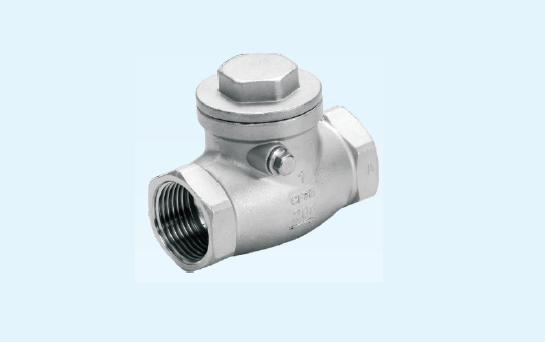
Material Properties: 304L vs 316L
304L stainless steel is widely recognized for its excellent corrosion resistance and strong mechanical properties. It’s a cost-effective choice suitable for applications involving water, gases, and mild chemicals. However, it may not perform well in highly corrosive environments. In contrast, 316L stainless steel offers superior resistance to chloride-induced corrosion, making it ideal for use in more aggressive environments, including marine and chemical processing applications.
Choosing between 304L and 316L stainless steel check valves primarily depends on the operating conditions and the fluids involved. For instance, if the application involves exposure to saltwater or corrosive chemicals, 316L is the preferred choice. Its enhanced corrosion resistance extends the valve’s lifespan and reduces the need for frequent maintenance or replacements.
Application Considerations
The right choice of material grade is vital for ensuring the longevity and reliability of stainless steel valves in various industries. For food and beverage applications, where hygiene and safety are paramount, 316L is often the go-to option due to its ability to withstand cleaning agents and its minimal risk of leaching harmful substances. Conversely, 304L may suffice in less demanding environments, providing a suitable balance of cost and performance.
Conclusion